Jingle Star: A Modern Handwritten Font for Bold Designs
There is a distinct moment in the design process when a project feels technically correct but emotionally flat. The grid is aligned, the colors are on brand, and the hierarchy is logical, yet the composition lacks soul. This is often where typography makes or breaks the connection with the audience. Enter Jingle Star, a modern and fancy handwritten font that bridges the gap between professional polish and human warmth. It is not merely a set of glyphs; it is a stylistic tool designed to inject personality into posters, logos, magazines, book covers, banners, and countless other creative mediums.
For designers, marketers, and small business owners, finding a typeface that stands out without sacrificing legibility is a constant challenge. Jingle Star addresses this by offering a unique visual voice that feels both contemporary and approachable. Whether you are crafting a brand identity for a boutique coffee shop or designing social media graphics for a lifestyle influencer, this font provides the versatility needed to make your work resonate.
The Visual Personality of Contemporary Script
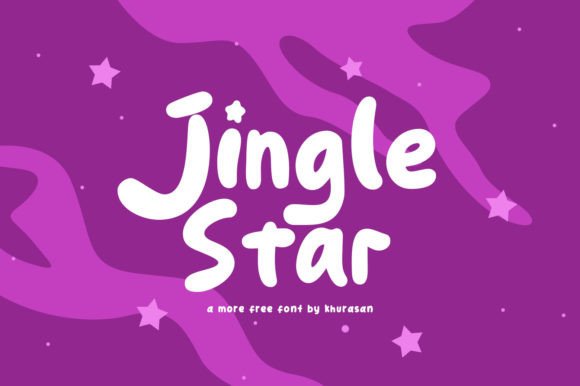
At first glance, Jingle Star captures attention with its fluid strokes and confident curves. As a handwritten font, it avoids the rigid uniformity of standard digital type, instead mimicking the natural variation found in genuine penmanship. However, unlike traditional calligraphy which can feel formal or dated, Jingle Star leans into a modern aesthetic. The letters are open and airy, with a bounce that suggests energy and creativity rather than strict discipline.
This balance is crucial for modern typography. A purely decorative script can become illegible at smaller sizes, while a stark sans serif might feel too cold for certain brands. Jingle Star sits comfortably in the middle ground. It functions effectively as a display font, commanding attention in headlines and large-format prints, yet it retains enough clarity to be used in short body copy or subheaders. The "fancy" element comes from the subtle flourishes and terminal details that give each character a distinct flair, making it an excellent choice for projects that need to feel premium without being pretentious.
When evaluating this creative font, consider its emotional weight. It feels friendly, optimistic, and stylish. This makes it particularly effective for industries that rely on trust and personal connection, such as wellness, education, artisanal goods, and event planning. It does not shout; it invites. For a designer, this means the font does much of the heavy lifting in establishing tone, allowing you to simplify other design elements while still maintaining a strong visual impact.
Versatile Applications Across Print and Digital Media
One of the strongest arguments for adding Jingle Star to your library of design assets is its adaptability. Many handwritten fonts struggle when moved from one medium to another, losing their charm in translation. Jingle Star, however, performs consistently across various platforms. Here is how it enhances specific project types:
- Logo Design and Branding: For startups and small businesses, a logo needs to be memorable. Jingle Star’s unique letterforms help create a distinctive mark that differentiates a brand from competitors using generic corporate typefaces. It works exceptionally well for beauty brands, bakeries, and creative agencies.
- Editorial Design and Publishing: In magazines and book covers, typography sets the narrative mood. Using Jingle Star for chapter titles or pull quotes adds a layer of sophistication and intimacy. It pairs beautifully with clean serif fonts for body text, creating a classic editorial look with a modern twist.
- Packaging Design: Shelf appeal is critical in retail. A product label featuring Jingle Star can convey handcrafted quality and attention to detail. Whether it is on a jar of homemade jam or a box of artisanal chocolates, the font suggests that care went into the creation of the product itself.
- Social Media Graphics and Web Design: In the fast-scrolling world of digital content, you have seconds to capture attention. Jingle Star’s bold strokes read well on mobile screens. It is ideal for Instagram stories, Pinterest pins, and website hero sections where you want to highlight a key message or offer.
The key to successful implementation is context. While Jingle Star is versatile, it is not a utility font for long paragraphs of text. Its strength lies in emphasis. Use it to guide the viewer’s eye to the most important information, creating a clear visual hierarchy that improves user experience and engagement.
Strategic Pairing and Practical Implementation
Choosing a font is only half the battle; knowing how to use it is where true design skill emerges. To get the most out of Jingle Star, you must consider font pairing and technical execution. Because Jingle Star has a strong personality, it needs a supportive partner. Pairing it with a neutral sans serif font like Montserrat or Lato creates a balanced composition where the handwritten element shines without overwhelming the reader. Alternatively, pairing it with a high-contrast serif can elevate the design for more luxury-oriented projects.
Readability should always be a priority. Even though Jingle Star is clear, avoid using it in all caps for long phrases, as this can disrupt the natural flow of the handwritten style. Instead, use title case or sentence case to maintain the rhythm of the letters. Additionally, pay attention to tracking and leading. Handwritten fonts often require slightly more breathing room than geometric typefaces to prevent characters from colliding visually.
From a commercial perspective, understanding licensing is essential. Jingle Star is a commercial font, meaning it is cleared for use in client work, product packaging, and advertising. This removes the legal ambiguity that often plagues free font downloads. For entrepreneurs and agencies, this reliability is invaluable. It ensures that your brand identity remains protected and professional.
Before finalizing any project, test the font at various sizes. Print a proof if possible, as screen rendering can sometimes smooth out the textured edges that give handwritten fonts their character. Check how it looks in black and white as well as color, ensuring that the weight of the strokes holds up against different backgrounds. If you are using it for web design, ensure that the webfont file is optimized for fast loading times to maintain site performance.
Ultimately, Jingle Star is more than just a typeface; it is a catalyst for creativity. It encourages designers to move beyond safe, conventional choices and explore designs that feel human and authentic. By integrating this font into your workflow, you add a powerful tool for storytelling. Whether you are designing a banner for a local festival or a logo for a global startup, Jingle Star provides the stylistic flexibility to make your ideas stand out. It reminds us that in a digital world, the touch of the human hand still holds immense power to connect, persuade, and inspire.