Fruity: Bringing Playful Precision to Modern Digital Design
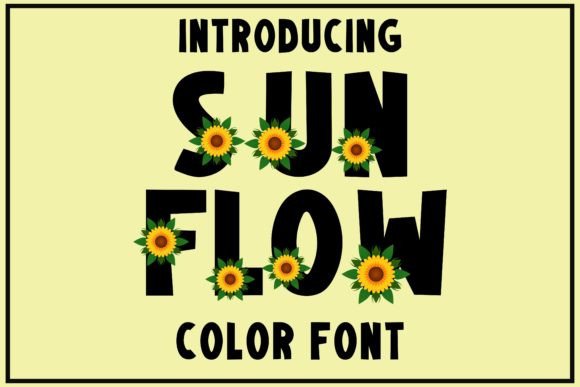
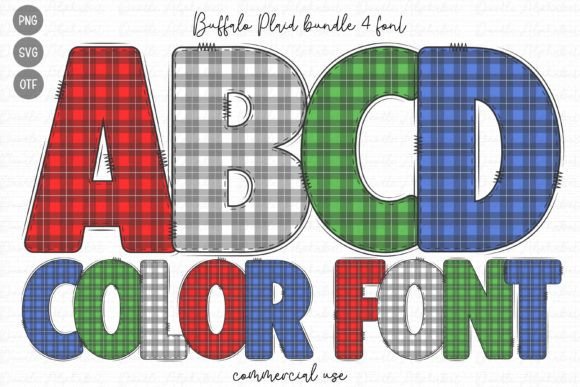
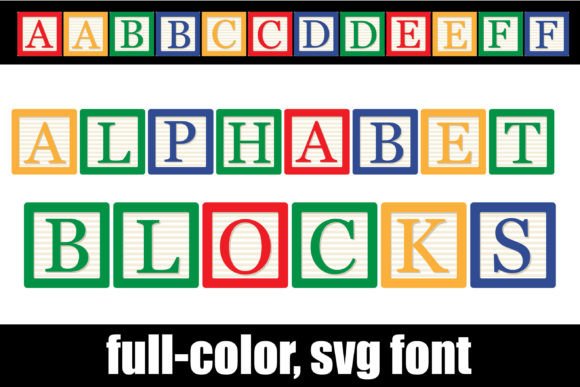
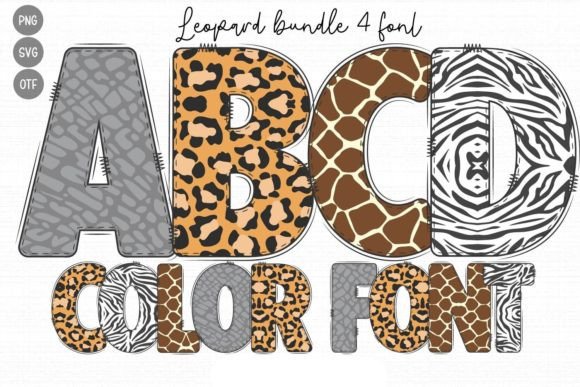
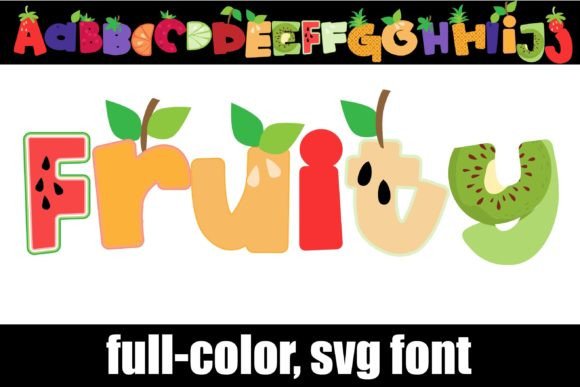
In an era where digital attention spans are shrinking and visual noise is at an all-time high, designers and content creators are constantly searching for ways to make their work stand out without sacrificing professionalism. Enter Fruity, a distinctive typeface that bridges the gap between whimsical illustration and functional typography. This full-color font features a simple sans-serif made out of fruit, offering a unique aesthetic that is both approachable and visually striking. Unlike traditional monochrome fonts that rely solely on shape and weight, Fruity leverages the power of OpenType full-color SVG technology to embed vibrant, scalable graphics directly into the character glyphs.
The rise of such specialized fonts reflects a broader shift in design trends. Audiences today crave authenticity and personality. They are moving away from sterile, corporate minimalism toward designs that feel human, tactile, and engaging. Fruity fits seamlessly into this modern workflow, allowing marketers, educators, and entrepreneurs to inject immediate warmth into their projects. Whether you are designing a packaging label for an organic juice brand, creating educational materials for children, or crafting social media graphics for a lifestyle blog, this font provides a ready-made visual identity that resonates with contemporary user expectations.
Understanding the Technology Behind Full-Color SVG Fonts
To fully appreciate the utility of Fruity, it is essential to understand the technology that powers it. Traditional fonts are vector outlines filled with a single color determined by the software’s text settings. In contrast, OpenType full-color SVG fonts contain complex vector data, including multiple colors, gradients, and even transparency, within each glyph. This means that when you type the letter "A" using Fruity, you are not just placing a black shape on the page; you are inserting a pre-designed, multi-colored illustration of fruit arranged in a typographic form.
One of the most significant advantages of this format is scalability. Because SVG fonts are vector-based, they can be scaled to any size without losing quality. This makes them ideal for versatile applications, ranging from small mobile icons to large-format print banners. You maintain crisp edges and vibrant color fidelity regardless of the output medium. This technical robustness ensures that your design remains professional and polished, eliminating the pixelation issues often associated with raster images or emojis used as text substitutes.
Installation and Compatibility: What You Need to Know
For many users, the transition to color fonts begins with installation. Fortunately, the process is straightforward and familiar. OpenType full-color SVG fonts are installed like any normal .otf font is installed. This usually happens via FontBook for Mac users or via your preferred font manager or Control Panel in Windows. Once installed, the font becomes available in your system’s font list, ready to be selected in compatible applications.
However, compatibility remains a crucial consideration. Please note color fonts will show as black in non-compatible programs. This is a common source of confusion for new users. If you open a document in an older version of a word processor or a basic text editor, Fruity will appear as a standard black sans-serif font. The colorful fruit elements will not render because the software lacks the engine to interpret the SVG data embedded within the font file.
Furthermore, they often show as black when choosing the font in the preview window in programs that support color fonts. This behavior is normal and should not be mistaken for a corrupted file. You will know if your program can support color fonts when you type on the document and see them in color. The real-time rendering occurs only within the active document canvas, not necessarily in the static dropdown menus.
Currently, industry-standard creative tools have largely adopted this technology. Adobe products, Silhouette Studio, Quark, and Inkscape, amongst others, support full-color SVG fonts at this time. If you are working within these ecosystems, you can leverage Fruity to its fullest potential. For users relying on other platforms, it is advisable to check the latest updates of your specific software to ensure SVG font support has been implemented.
Practical Applications for Creators and Businesses
The versatility of Fruity extends far beyond novelty. For professionals, it represents a time-saving asset that enhances brand personality. Consider a freelance graphic designer working on a campaign for a health food startup. Using Fruity allows them to create eye-catching headlines that communicate freshness and vitality instantly, without needing to manually illustrate each letter or layer multiple image files. This efficiency streamlines the design process, allowing for faster iteration and client approvals.
Similarly, educators and content creators can use this font to make learning materials more engaging. A teacher creating worksheets for young students can use Fruity to highlight key vocabulary words, making the text visually appealing and easier to remember. The playful nature of the fruit-based letters captures attention and reduces the cognitive load associated with dense text blocks.
Entrepreneurs and small business owners also benefit from the accessibility of such tools. With limited budgets for custom illustration, having access to a high-quality, full-color font enables them to produce professional-grade marketing materials in-house. From email newsletters to product packaging, Fruity adds a touch of polish that elevates the perceived value of the brand.
Design Best Practices and Recommendations
While Fruity offers immense creative potential, effective use requires adherence to certain design principles. Because the font is inherently busy and colorful, it works best when used sparingly. Reserve it for headlines, logos, or short call-to-action phrases rather than long body text. Overuse can lead to visual clutter, making the content difficult to read and diminishing the impact of the design.
- Contrast is Key: Ensure there is sufficient contrast between the colorful font and the background. Light or white backgrounds typically allow the vibrant colors of the fruit to pop effectively.
- Pairing Strategies: Combine Fruity with a clean, neutral sans-serif font for body copy. This creates a balanced hierarchy, guiding the reader’s eye from the playful headline to the informative text.
- Context Matters: Align the use of the font with the tone of your message. It is perfect for brands focused on health, wellness, food, or childhood education but may be less suitable for formal legal or financial documents.
Additionally, always test your designs across different devices and platforms. Since not all viewers may have software that supports full-color SVG fonts, consider exporting critical visuals as high-resolution PNGs or SVGs for web use. This ensures that the intended visual experience is preserved for all users, regardless of their technical setup.
The Future of Typographic Expression
The emergence of fonts like Fruity signals a broader evolution in how we think about typography. We are moving towards a more hybrid model where text and image converge. This shift is driven by the increasing demand for rich, expressive digital communication. As technology continues to advance, we can expect wider adoption of color fonts across more platforms and applications, making them a standard tool in the designer’s toolkit.
Full-color SVG fonts are the perfect way to add a touch of personality to your designs. With a full range of colors and styles to choose from, you can create anything from simple text logos to complex illustrations. By embracing these tools, creators can stay ahead of the curve, delivering content that is not only informative but also emotionally resonant and visually memorable. As you integrate Fruity into your workflow, remember that its true power lies in its ability to communicate joy and clarity simultaneously, enhancing the connection between your message and your audience.